

How do face masks work in a healthcare setting?
Nov 06, 2026
In the healthcare setting, face masks play a pivotal role in preventing the spread of infectious diseases, protecting both patients and healthcare providers. As a face mask supplier, I have witnessed firsthand the importance of understanding how these essential tools work. This blog post aims to delve into the science behind face masks, exploring their mechanisms of action and the different types available in the healthcare market.
The Basics: How Face Masks Block Pathogens
At their core, face masks work by creating a physical barrier between the wearer's respiratory system and the surrounding environment. When a person coughs, sneezes, talks, or even breathes, they expel tiny droplets containing pathogens such as viruses and bacteria. These droplets can travel through the air and be inhaled by others, leading to the transmission of infectious diseases. Face masks help to capture these droplets, preventing them from reaching others and reducing the risk of infection.
The effectiveness of a face mask in blocking pathogens depends on several factors, including the type of mask, the material it is made of, and how well it fits the wearer's face. Different types of masks have different levels of filtration efficiency, which refers to the percentage of particles they can capture. For example, N95 respirators are designed to filter out at least 95% of airborne particles, including small droplets and aerosols, while surgical masks typically have a lower filtration efficiency.
Types of Face Masks in Healthcare Settings
N95 Respirators
N95 respirators are considered the gold standard in respiratory protection in healthcare settings. They are designed to fit tightly around the face, creating a seal that prevents air from leaking in around the edges. This ensures that most of the air the wearer inhales passes through the filter material, which is made of a fine mesh of synthetic fibers. The electrostatic charge on these fibers helps to attract and trap particles, including viruses and bacteria.
N95 respirators are commonly used by healthcare workers when performing procedures that generate aerosols, such as intubation, suctioning, and bronchoscopy. They are also recommended for use in high-risk situations where the risk of exposure to airborne pathogens is high. However, due to their high filtration efficiency and tight fit, N95 respirators can be uncomfortable to wear for long periods of time and may require a proper fit test to ensure effectiveness.
Surgical Masks
Surgical masks, also known as medical masks, are loose-fitting disposable masks that cover the nose and mouth. They are typically made of multiple layers of non-woven fabric and are designed to protect the wearer from large droplets, splashes, and sprays of bodily fluids. Surgical masks are commonly used by healthcare providers during surgical procedures and other patient care activities to prevent the spread of infectious agents from the wearer to the patient.
While surgical masks are not as effective as N95 respirators in filtering out small airborne particles, they still provide a significant level of protection against large droplets and can help to reduce the risk of transmission of respiratory infections. They are also more comfortable to wear for extended periods of time and are widely available at a relatively low cost.
Cloth Masks
Cloth masks are reusable masks made of fabric, such as cotton or polyester. They are often used by the general public as a form of source control to prevent the spread of respiratory droplets when coughing, sneezing, or talking. Cloth masks can be made at home or purchased commercially and come in a variety of styles and designs.
While cloth masks are not as effective as N95 respirators or surgical masks in filtering out pathogens, they can still provide some level of protection, especially when worn in combination with other preventive measures, such as social distancing and hand hygiene. They are also a more sustainable and cost-effective option compared to disposable masks.
Our Face Mask Products
As a face mask supplier, we offer a wide range of high-quality face masks to meet the needs of healthcare providers and the general public. Our product line includes Korean PDRN Salmon Collagen Mask, 24k Gold Hyaluronic Acid Sheet Mask, and Reusable Anti-Wrinkle Silicone Face Mask.
Our Korean PDRN Salmon Collagen Mask is infused with salmon collagen and PDRN, which are known for their anti-aging and skin rejuvenating properties. This mask helps to hydrate the skin, reduce the appearance of wrinkles, and improve skin elasticity. The 24k Gold Hyaluronic Acid Sheet Mask is enriched with 24k gold and hyaluronic acid, which provide intense hydration and nourishment to the skin. It helps to smooth the skin, reduce the appearance of fine lines, and give the skin a radiant glow.
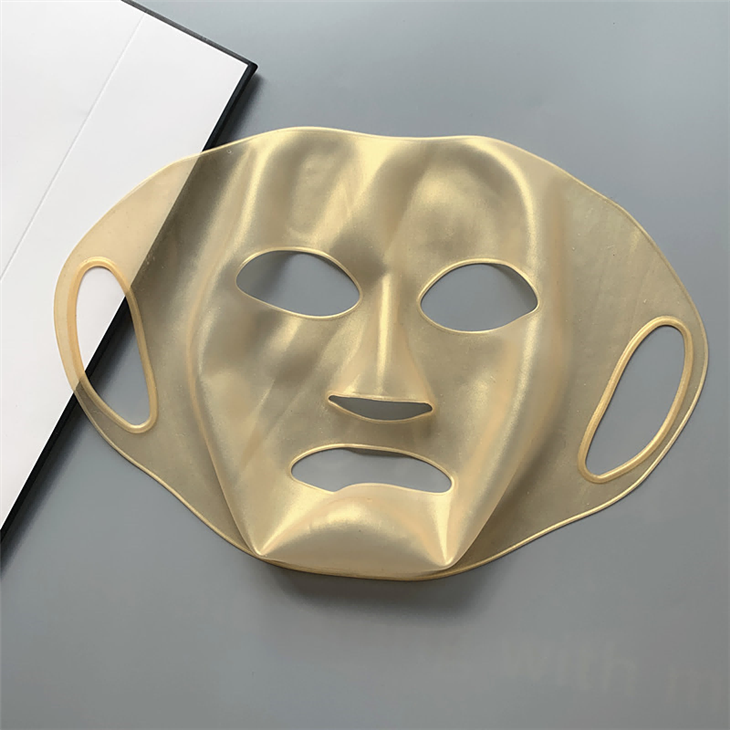
Our Reusable Anti-Wrinkle Silicone Face Mask is made of high-quality silicone material and is designed to fit snugly on the face. It helps to reduce the appearance of wrinkles and fine lines by promoting blood circulation and collagen production. This mask is reusable and can be easily cleaned after each use.
Importance of Proper Mask Usage
In addition to choosing the right type of face mask, it is also important to use it properly to ensure maximum protection. Here are some tips on proper mask usage:

- Wash your hands: Before putting on or taking off a mask, wash your hands thoroughly with soap and water for at least 20 seconds or use an alcohol-based hand sanitizer.
- Put on the mask correctly: Make sure the mask covers your nose, mouth, and chin completely. Adjust the straps or ear loops to ensure a snug fit without leaving any gaps.
- Avoid touching the mask: Once the mask is on, avoid touching it as much as possible. If you need to adjust the mask, wash your hands first.
- Change the mask regularly: Disposable masks should be changed after each use, while reusable masks should be washed regularly according to the manufacturer's instructions.
- Remove the mask properly: When removing the mask, avoid touching the front of the mask. Instead, untie the strings or remove the ear loops from behind and dispose of the mask in a trash bin. Wash your hands again immediately after removing the mask.
Conclusion
Face masks are an essential tool in preventing the spread of infectious diseases in healthcare settings. By understanding how they work and choosing the right type of mask, we can effectively protect ourselves and others from respiratory infections. As a face mask supplier, we are committed to providing high-quality face masks that meet the highest standards of safety and effectiveness.
If you are interested in purchasing our face mask products or have any questions about our offerings, please feel free to contact us for a procurement discussion. We look forward to working with you to meet your face mask needs.
References
- Centers for Disease Control and Prevention (CDC). (2023). How to Wear Your Mask Correctly. Retrieved from cdc.gov
- World Health Organization (WHO). (2023). Masks: Advice on the use of masks in the context of COVID-19. Retrieved from who.int
- American Society for Testing and Materials (ASTM). (2023). Standard Specification for Performance of Materials Used in Medical Face Masks. Retrieved from astm.org