

Can a face mud mask be used as a spot treatment?
Nov 18, 2026
Can a face mud mask be used as a spot treatment?
As a supplier of Face Mud Mask, I often get asked about the various uses of our products. One question that comes up quite frequently is whether a face mud mask can be used as a spot treatment. In this blog post, I'll explore this topic in detail, looking at the science behind it, the potential benefits, and any limitations.
The Science of Face Mud Masks
Face mud masks are typically made from natural clays, such as bentonite, kaolin, or rhassoul clay. These clays have unique properties that make them beneficial for the skin. Bentonite clay, for example, has a high negative charge, which allows it to attract and bind to positively charged impurities, such as dirt, oil, and toxins, on the skin's surface. Kaolin clay is known for its gentle exfoliating properties and ability to absorb excess oil without drying out the skin. Rhassoul clay is rich in minerals like magnesium, calcium, and potassium, which can nourish and revitalize the skin.
When applied to the skin, a face mud mask forms a thin layer that dries over time. As it dries, it contracts, which can help to tighten the skin and reduce the appearance of pores. The mask also draws out impurities from the pores, leaving the skin looking cleaner and clearer.
Using a Face Mud Mask as a Spot Treatment
The idea of using a face mud mask as a spot treatment is based on the fact that the mask can target specific areas of the skin that are prone to breakouts or other skin issues. Instead of applying the mask to the entire face, you can apply a small amount directly to the affected area.
One of the main benefits of using a face mud mask as a spot treatment is that it can help to reduce the size and redness of pimples. The clay in the mask can absorb excess oil from the pimple, which can help to dry it out and prevent further inflammation. Additionally, the antibacterial properties of some clays can help to kill the bacteria that cause acne, reducing the risk of future breakouts.
Another benefit of using a face mud mask as a spot treatment is that it can be a more targeted and cost-effective approach. Instead of using an entire mask on your face, you can use just a small amount on the areas that need it most. This can save you money in the long run, especially if you have a small area of skin that needs treatment.
How to Use a Face Mud Mask as a Spot Treatment
Using a face mud mask as a spot treatment is relatively simple. Here's a step-by-step guide:
- Cleanse your skin: Before applying the mask, make sure your skin is clean and dry. Use a gentle cleanser to remove any dirt, oil, or makeup from the affected area.
- Prepare the mask: Follow the instructions on the packaging to prepare the face mud mask. Most masks require you to mix the clay with water or another liquid to form a paste.
- Apply the mask: Using a cotton swab or your finger, apply a small amount of the mask directly to the affected area. Make sure the mask covers the entire pimple or blemish.
- Let the mask dry: Allow the mask to dry completely. This usually takes about 10-15 minutes, depending on the type of mask and your skin type.
- Rinse off the mask: Once the mask is dry, rinse it off with warm water. Gently pat your skin dry with a clean towel.
- Moisturize your skin: After rinsing off the mask, apply a moisturizer to the treated area to prevent your skin from drying out.
Limitations of Using a Face Mud Mask as a Spot Treatment
While using a face mud mask as a spot treatment can be effective, it's important to note that it may not work for everyone. Some people may find that the mask is too drying or irritating for their skin, especially if they have sensitive skin. Additionally, if you have a severe acne condition, a face mud mask may not be enough to treat the problem on its own. In these cases, it's best to consult a dermatologist for a more comprehensive treatment plan.
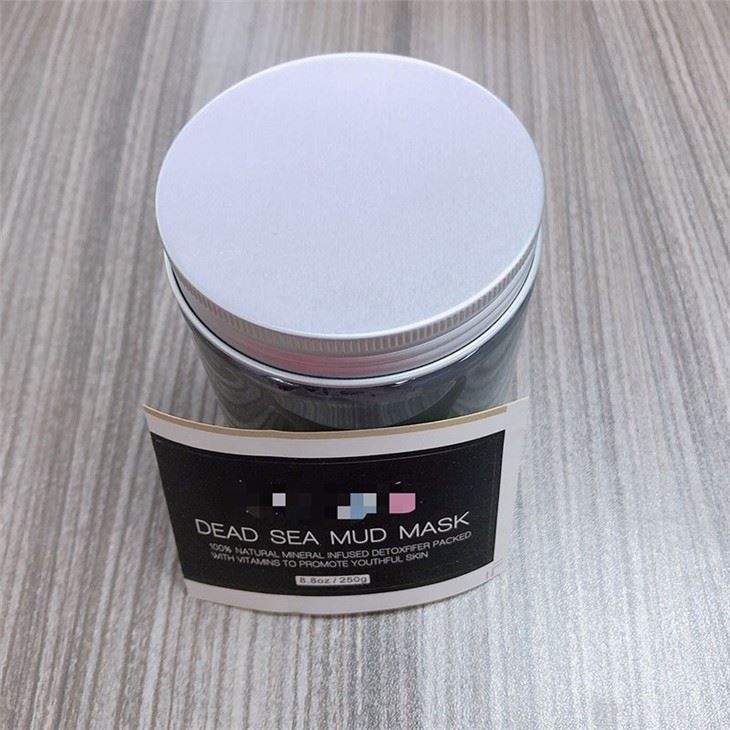

Another limitation of using a face mud mask as a spot treatment is that it may not be suitable for all types of skin issues. For example, if you have a skin condition like eczema or psoriasis, using a face mud mask may actually make the problem worse. It's important to do a patch test on a small area of your skin before using the mask as a spot treatment to make sure it doesn't cause any adverse reactions.
Other Face Masks for Spot Treatment
In addition to face mud masks, there are other types of face masks that can be used as spot treatments. Face Collagen Mask is one option. Collagen is a protein that is naturally found in the skin, and it helps to keep the skin firm and elastic. A face collagen mask can help to hydrate and plump the skin, reducing the appearance of fine lines and wrinkles. It can also be used as a spot treatment for areas of the skin that are dry or damaged.
Clay Deep Clean Mask is another option. This type of mask is designed to deeply cleanse the pores and remove impurities from the skin. It can be used as a spot treatment for areas of the skin that are prone to breakouts or blackheads.
Conclusion
In conclusion, a face mud mask can be used as a spot treatment for areas of the skin that are prone to breakouts or other skin issues. The clay in the mask can absorb excess oil, reduce inflammation, and kill bacteria, helping to improve the appearance of the skin. However, it's important to note that using a face mud mask as a spot treatment may not work for everyone, and it may not be suitable for all types of skin issues. If you have any concerns about using a face mud mask as a spot treatment, it's best to consult a dermatologist.
If you're interested in purchasing our Face Mud Mask or other face masks, we invite you to contact us for a procurement discussion. We're happy to answer any questions you may have and provide you with more information about our products.
References
- "The Benefits of Clay Masks for Your Skin." Healthline.
- "How to Use a Clay Mask for Acne." Byrdie.
- "Collagen Masks: Do They Really Work?" Verywell Health.